
Fire Detection & Suppression Systems
MTSG provides fire detection and suppression solutions as part of our wider electrical and integrated systems capabilities. We install, test and maintain fire alarm systems for domestic, commercial and industrial properties, including conventional and addressable systems, wireless detection and specialist aspirating smoke detection. Where required, we can also coordinate associated electrical works, system interfaces, emergency lighting and specialist fire suppression requirements through appropriately qualified partners.
Fire Alarm Systems
MTSG provides the installation, testing and maintenance of conventional and addressable fire alarm systems for domestic, commercial and industrial properties. Systems are selected and installed around the requirements of the building, its use and the applicable standards, with appropriate detection, alarm devices, control equipment and interfaces provided as required.
Fire Suppression Systems
MTSG can coordinate specialist fire suppression requirements as part of a wider fire protection project. Our scope can include associated detection, electrical works, control equipment and system interfaces, while specialist gas, mist, sprinkler or other suppression installations are carried out by appropriately qualified specialist partners where required.
Testing & Maintenance
Scheduled inspection, testing and maintenance, including system records and emergency call-out support, helping to keep fire detection and life safety systems operational and properly maintained.
Emergency Lighting
Emergency lighting inspection, testing and maintenance, including functional and full-duration testing where required, helping to confirm that escape routes and designated areas remain adequately illuminated during a mains failure.
Wireless Fire Alarms
Wireless fire alarm systems can provide a flexible, minimally invasive solution where traditional cabling may be difficult or disruptive. They can be particularly useful in occupied buildings, existing properties, heritage environments and locations where installation disruption needs to be minimised.
Aspirating Smoke Detection
Highly sensitive aspirating smoke detection systems continuously sample the air and can provide very early warning of developing fire conditions. These systems are particularly suited to areas where early detection is important, including data rooms, communications rooms, warehouses and other specialist environments.
Reducing Unwanted Fire Alarms
Unwanted fire alarms can disrupt occupants, affect business operations and create unnecessary call-outs. MTSG considers detector selection, system configuration and site conditions when designing fire alarm systems to help reduce avoidable false or unwanted alarms.
Intelligent Detection
Where appropriate, multi-sensor detection can combine different detection principles to help distinguish genuine fire conditions from environmental influences such as steam, dust or temperature changes.
Alarm Verification & System Configuration
Where appropriate to the system design and applicable requirements, alarm verification and cause-and-effect programming can be applied to help reduce unwanted activations while maintaining the required level of fire detection and warning.
Designed for Reliable Life Safety
Fire detection and life safety systems need to be designed, installed, tested and maintained correctly from the outset.
MTSG approaches each project with a focus on reliable system performance, clear installation practices and appropriate documentation. We consider the building, its use, the required level of protection and the relevant standards throughout system planning, specification, installation and coordination.
Our installations are completed with careful attention to cable routing, containment, device positioning, panel configuration and system interfaces. Where required, we provide commissioning information, system records and documentation to support ongoing inspection and maintenance.
Our Fire Protection Process
Initial Assessment
We review the building, its use, occupancy, existing fire protection systems and specific project requirements to establish the appropriate approach for the installation.
System Planning & Specification
We assess the building, system requirements, detection coverage, equipment, interfaces and applicable standards to plan and specify the system configuration.
Installation
Our engineers install the system with careful attention to device positioning, cable routing, containment, control equipment and system interfaces, with a clean and professional finish.
Testing & Commissioning
Following installation, the system is tested and commissioned to verify that the equipment, devices, interfaces and programmed functions operate as intended. Appropriate commissioning and handover documentation is provided.
Fire Safety Inspection & Maintenance
Maintaining fire safety systems is an ongoing responsibility. Regular inspection, testing and maintenance help ensure that fire detection and emergency lighting systems remain operational and suitable for the premises.
Fire Safety Records & Logbooks
Appropriate records should be maintained for testing, faults, servicing and maintenance. MTSG can provide the relevant system documentation and maintenance records to support ongoing fire safety management.
Professional Inspection & Maintenance
Fire alarm systems should be regularly inspected and maintained by a competent person in accordance with the applicable requirements and the system's design. For systems designed and maintained in accordance with BS 5839-1, periodic inspection and servicing is generally carried out at intervals not exceeding six months.
Regular Testing & Full-Duration Testing
Emergency lighting systems require regular inspection, testing and maintenance to confirm that escape routes and other designated areas remain adequately illuminated during a mains failure. Routine functional tests should be carried out at appropriate intervals, with a full-duration test undertaken periodically in accordance with the system requirements and applicable standards. MTSG can inspect, test and maintain emergency lighting installations and provide appropriate records of the work completed.
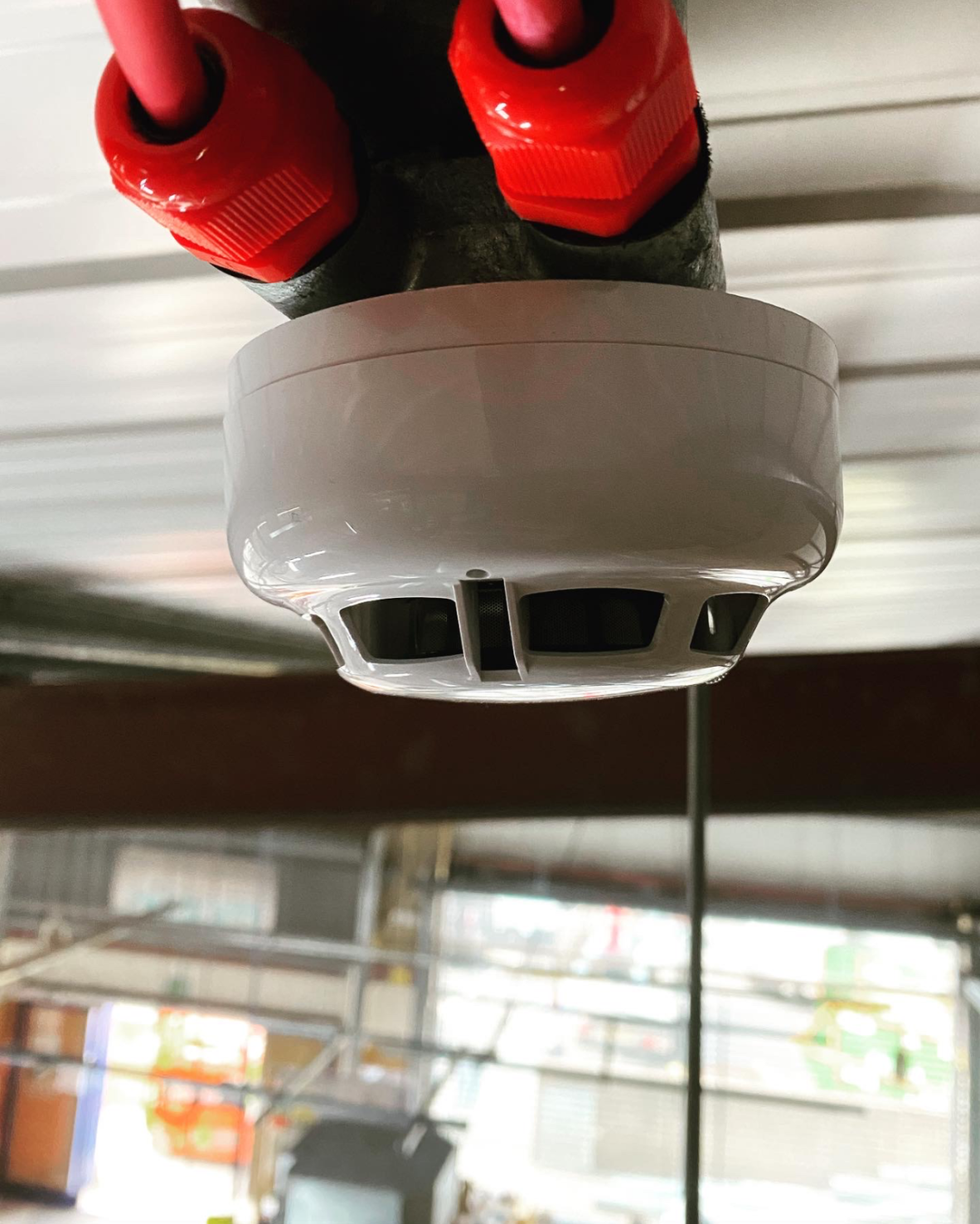
On-Site Fire Safety Installations
A showcase of active fire detection deployments, panel terminations, and compliant life safety installations executed by our team across the North West.


Systems & Manufacturers We Work With
MTSG works with a range of established fire detection, alarm and life safety systems, supporting installations, upgrades, extensions, maintenance and system integration where appropriate.
Fire Detection & Control



Specialist Detection



System compatibility and the level of support available can vary between installations and manufacturers. Where specialist manufacturer accreditation, programming or commissioning is required, MTSG can coordinate with appropriately qualified and authorised specialists.
Frequently Asked Questions
What is the difference between an L-category and a P-category system?
L-category systems primarily protect life. P-category systems primarily protect property and assets. Some systems can incorporate both objectives. The appropriate category depends on the building, occupancy, risk and system objectives.
How often do business fire alarm systems need to be serviced?
Fire alarm systems should be regularly inspected, tested and maintained by a competent person in accordance with the applicable requirements, system design and relevant standards. For systems designed and maintained in accordance with BS 5839-1, periodic inspection and servicing is generally carried out at intervals not exceeding six months. Responsible persons should also carry out the routine user checks and testing required for the system.
Do you install wet sprinkler or gas suppression systems directly?
MTSG can coordinate the project. MTSG can provide detection, electrical works, controls and interfaces, while specialist gas, mist, sprinkler or other suppression installation is undertaken by appropriately qualified specialist partners where required.
How does ARC monitoring work?
Where required, MTSG can coordinate alarm signalling and monitoring arrangements through appropriate independent Alarm Receiving Centre partners.
Fire Detection & Life Safety, Properly Planned
Whether you require a new fire alarm system, an upgrade to an existing installation, ongoing maintenance or integration with other building systems, MTSG can help establish the right approach for your property.
We work with domestic, commercial and industrial clients across the North West, with nationwide support available for suitable projects.
Discuss your requirements with MTSG and arrange a site assessment, technical consultation or quotation.